
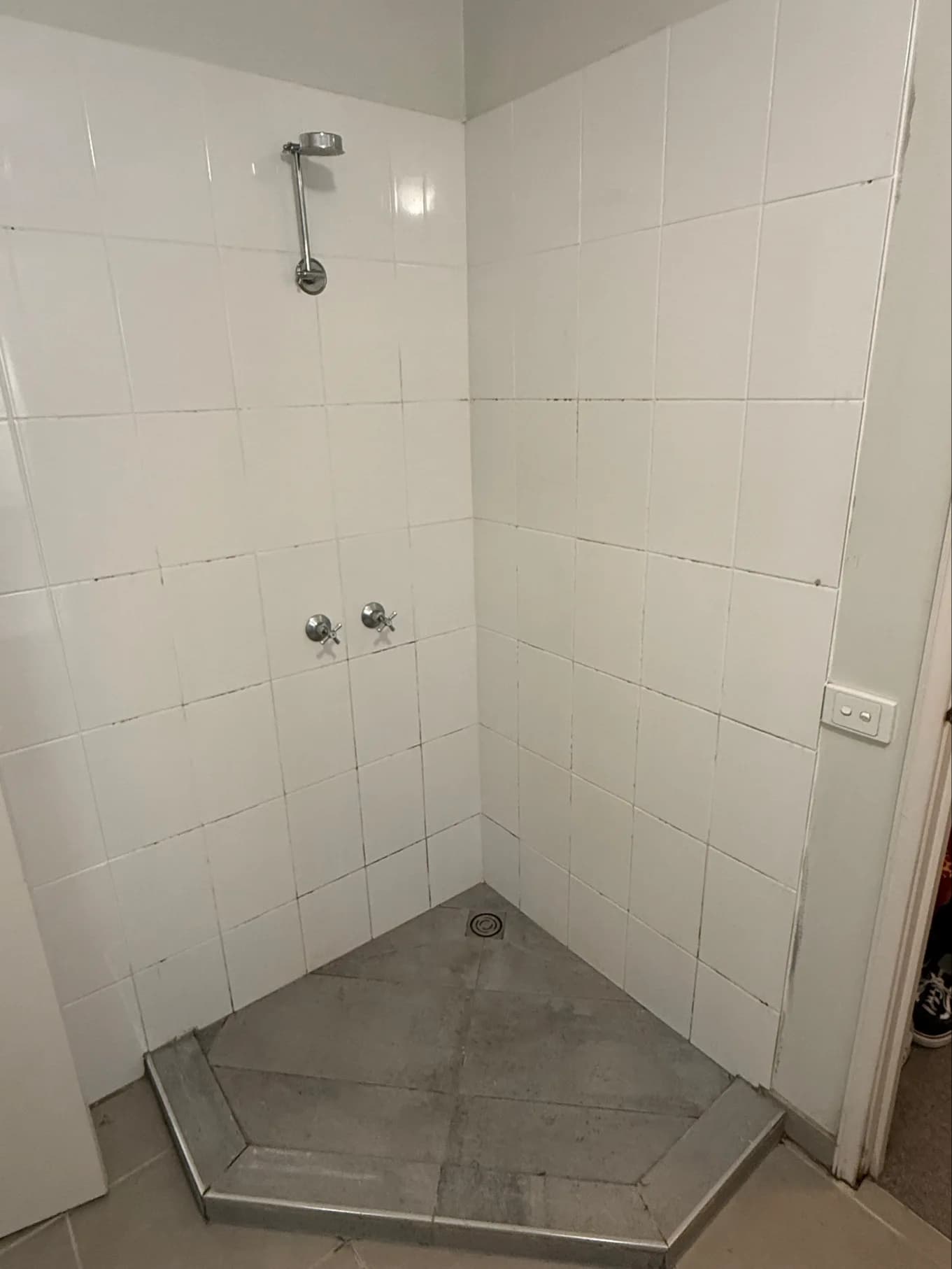
Shower Still Leaking After Regrouting? Causes, Tests and What To Do Next
It is one of the most frustrating jobs in a Melbourne bathroom. The shower looked brand new after the regrout, the grout lines were clean and bright, and a few weeks later the damp patch is back, the skirting is swelling again, or water is showing up in the room below. You are not alone, and it does not automatically mean the shower needs to be ripped out. It means the real cause was never found. This guide walks through why a shower keeps leaking after regrouting, the tests that separate a surface problem from a waterproofing or plumbing problem, and the order to fix things in so you only pay once.
The short answer
Regrouting only fixes the surface: the grout lines and the silicone joints. A shower keeps leaking after a regrout when the cause sits deeper, in the waterproofing membrane under the tiles, the waste outlet, a pipe inside the wall, or in silicone and movement joints that were never properly replaced. The right next step is not another regrout or a full rebuild. It is a short sequence of tests that shows which layer is letting the water through.
Can Regrouting Fix a Leaking Shower?
Yes, when the leak is a surface leak and the layers underneath are sound. If the grout has cracked and perished and the silicone has failed, but the waterproofing membrane and the tile bed are in good condition, a properly scoped regrout with full silicone replacement is a legitimate and lasting repair, done without removing tiles. Plenty of Melbourne showers are fixed exactly this way.
No, when the water is getting through somewhere else. Regrouting cannot repair a failed membrane, a leaking waste connection or a pipe inside the wall, and anyone who tells you a regrout will fix every leak, or that it never fixes any leak, is selling you something. The honest answer depends on which layer has failed in your shower, and that can be tested.
One more thing to check before anything else: if the regrout was recent, call the company back first. Check what the job actually covered and what warranty came with it. Groutix work carries a 10 year warranty on eligible jobs, and Australian Consumer Law gives you guarantees on services as well. A leak that returns within weeks of a regrout is a conversation with the original company, not a new quote.
Why Does a Shower Keep Leaking After Regrouting?
The old grout was skimmed, not removed
New grout spread thinly over old failed grout looks tidy for a few weeks and then lets water through in exactly the places the old grout had already failed. Old grout has to be raked out to a proper depth so the new grout has body and a sound surface to bond to. A cosmetic skim is the most common reason a budget regrout keeps leaking.
The silicone and movement joints were skipped
This is also why so many showers still leak after resealing alone, or after a regrout that left the seals untouched. The internal corners and the wall to floor junction are movement joints. Buildings move with heat, cold and use, and rigid grout in those joints cracks. They belong to flexible silicone. If perished silicone stayed in the corners, if new silicone went over old silicone, or if grout was packed into joints that should have been siliconed, water keeps entering at exactly the points that move.
Only part of the shower was done
Sometimes only the walls were regrouted and the floor and base were not, or the other way around. Water only needs one path. A shower is a system: wall grout, floor grout, silicone, the waste and the screen all have to hold at once.
The waste, grate or puddle flange is leaking
Under the grate, the floor waste connects into a puddle flange and the drain. If that connection is poor or has shifted, water escapes below the floor every time the shower drains, no matter how perfect the surface looks. The clue is a leak that tracks with how much water goes down the drain rather than how much water hits the walls.
Tiles, the base or the falls have failed
A hairline crack through a tile or a cracked and flexing shower base lets water straight through the surface. Drummy, loose tiles mean the adhesive underneath has let go, often because water has been getting in for a long time. Poor falls that leave water ponding in a corner keep the joints under water pressure they were never meant to hold, and a shower screen with blocked frame drainage or silicone on the wrong side can leak steadily while the tiling is blamed.
A pipe, mixer or shower fitting is leaking inside the wall
Tap bodies, mixer cartridges, the shower riser and supply pipes can leak slowly inside the wall cavity for months. This is a plumbing leak, not a tiling problem, and it needs a licensed plumber. The strongest clues are damp that spreads even when the shower is not used, and a water meter that keeps moving with every tap in the house turned off.
Think it might be the grout or silicone after all?
Send us photos of the shower and the damp area. We will tell you honestly which layer we think is leaking and what the right repair is, before you spend anything.
What Failed Seals Look Like
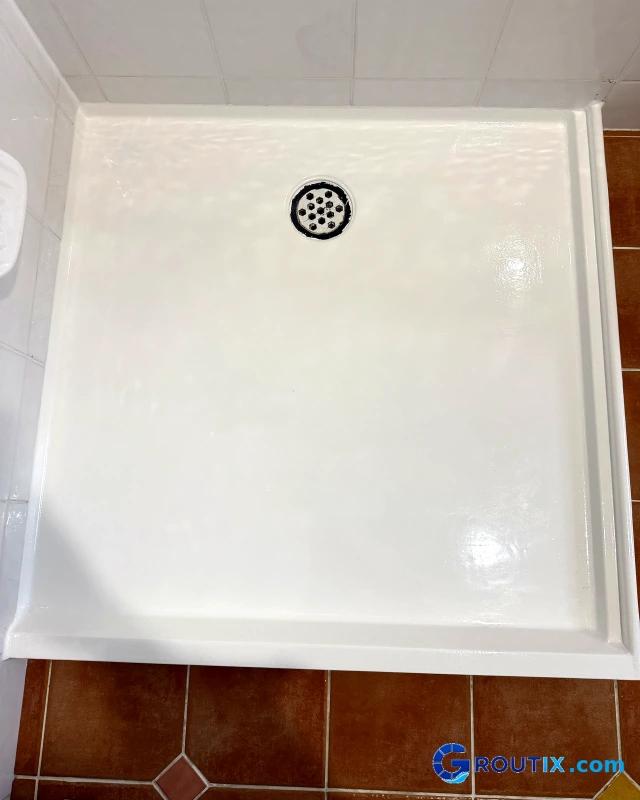
Perished silicone and cracked grout are easy to spot once you know where to look: the corners, the wall to floor junction and around the shower base. This is the base of a shower part way through a proper repair, with the old failed silicone cut out and the joint cleaned ready for fresh wet area silicone.
Signs Your Waterproofing Membrane Has Failed
Under every tiled shower built to Australian Standard AS 3740 there is a waterproofing membrane, the last line of defence under the tiles. In many older Melbourne bathrooms, especially in period homes renovated before membrane practice became consistent, that layer is thin, damaged or missing in places. When it fails, water passes into the screed bed, the floor and the walls, and no surface repair will stop it.
Damp outside the bathroom. Moisture on the walls beside or behind the shower at floor level, or on the ceiling below.
Swollen timber. Skirting boards, architraves and door jambs swelling or going soft, common in Melbourne weatherboard and brick veneer homes where the bathroom sits over timber framing.
Drummy and lifting tiles. Tiles that sound hollow when tapped, have started to lift, or grout that keeps cracking in the same place.
Efflorescence. White salt deposits appearing on grout lines, left behind by water travelling through the tile bed and evaporating.
Smell and mould that return. A musty smell that never clears and mould that comes back within days of cleaning. In bad cases even mushrooms or ants appear around the shower, drawn by damp timber.
One sign alone is a clue. Several together are a strong indication. When the membrane has failed, the lasting fix is to strip the shower, repair the substrate and re waterproof to AS 3740 before retiling. In Victoria that waterproofing work must be done by a licensed practitioner. It costs more than a regrout, and being talked into a second regrout first costs you twice.
How to Test Whether It Is Grout, Waterproofing or Plumbing
Run these in order. Each one rules a layer in or out, and together they take the guesswork out of the quote that follows. Photograph the damp area before and after each test.
The rest test. Stop using the shower for a day or two and watch the damp patch. If it keeps spreading with no use at all, suspect plumbing and start there. If it settles, the leak is tied to shower use.
The water meter test. With every tap and appliance off, note the meter, wait an hour without using water, and check it again. A meter that moved means a pressurised pipe is leaking somewhere.
The tap test. Tap the shower tiles with your knuckles or a coin. Solid tiles ring dull and firm. Drummy tiles sound hollow, which points to debonded tiles and water underneath.
The drain run test. Pour buckets of water straight into the open waste so almost nothing touches the walls or floor surface. If the leak appears below, the waste, flange or drain connection is the path.
The zone spray test. Wet one area at a time with a handheld shower or a watering can: the screen and corners first, then one wall, then the base, while someone watches the damp area. The zone that brings the damp back is the zone that is leaking.
The base flood test. Plug the waste, add a few centimetres of water to the base, mark the level, and watch it and the rooms around and below for an hour or two. A falling level or fresh damp points below the surface. Stop straight away if water appears anywhere it should not.
A note on Melbourne winters
Not every damp patch near a bathroom is a shower leak. Cold Melbourne winters bring condensation on cold walls and windows that can mimic a leak. The timing tests above separate the two: condensation follows cold mornings and steam, a shower leak follows shower use.
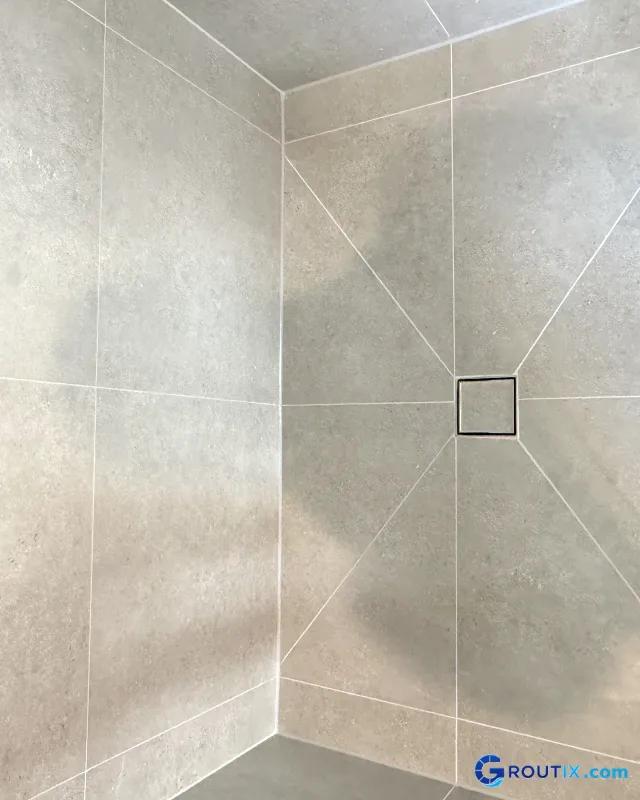
A Shower That Tests Clean
What Not To Do Next
Do not regrout a second time on hope. If the first regrout did not hold, repeating it without a diagnosis buys the same result.
Do not silicone over old silicone. It does not bond, it peels, and it traps moisture behind the joint.
Do not seal over a wet shower. Grout, silicone and clear sealers all need a dry substrate. Work done over a waterlogged screed seals the water in.
Do not jump straight to a rebuild either. If the tests show a surface failure on a sound membrane, a rebuild spends far more than the problem needs when a proper regrout would solve it.
Do not ignore it. Kept damp, timber floors and framing rot and attract termites, and the repair quietly grows from a surface job into structural work.
Regrouting Did Not Fix the Leak: What To Do Next in Melbourne
Work up the repair ladder, and stop at the first rung that matches your diagnosis:
| Diagnosis | The repair that matches it |
|---|---|
| Failed grout or silicone, membrane sound | A correctly scoped regrout plus full silicone replacement, no tile removal |
| Cracked or drummy tiles in one area | Tile repair and localised regrout by a tiling specialist |
| Leaking waste or puddle flange | Waste and flange repair, then resealing of the base |
| Pipe, mixer or riser leak | Repair by a licensed plumber, then make good the wall |
| Failed membrane or waterlogged screed | Strip out, substrate repair, licensed re waterproofing to AS 3740, retile |
| Failed base or structure | Shower rebuild with a builder involved |
Groutix starts every leaking shower with the cause, not the quote. If the tests point to grout or silicone on a sound membrane, we regrout properly, with the old grout raked out to depth, waterproof epoxy grout in the lines and fresh silicone in every movement joint, and the eligible work carries a 10 year warranty. If the cause is the membrane, the waste or the plumbing, we tell you plainly which trade you need and why. Send us photos of the shower and the damp area and we will tell you honestly which rung of the ladder you are on.
Questions People Ask
Yes, when the leak is coming through failed grout or silicone and the waterproofing membrane and tile bed underneath are sound. A properly scoped regrout with full silicone replacement seals the surface without removing tiles. It cannot fix a failed membrane, a leaking waste or a pipe leak, which is why diagnosis comes first. Our leaking shower repair service starts with exactly that diagnosis.
Usually because the cause was never in the grout. The common reasons are old grout skimmed rather than removed, silicone and movement joints skipped, only part of the shower done, a leaking waste or puddle flange, a pipe leaking inside the wall, or a failed waterproofing membrane. The test sequence in this guide separates them.
Resealing replaces the silicone only. If the grout has also failed, if the new silicone went over old silicone or a wet joint, or if the leak is at the waste, the membrane or a pipe, fresh silicone changes nothing. Grout and silicone also do different jobs: grout fills rigid joints, silicone seals the joints that move.
Look for damp on walls outside the bathroom at floor level, swollen skirting boards and architraves, drummy or lifting tiles, white salt deposits called efflorescence on the grout, and a musty smell that never clears. Several signs together are a strong indication, and a proper inspection confirms it before anyone talks about stripping the shower out.
Epoxy grout is waterproof, stain resistant and far more durable than cement grout, so where grout failure is the cause it is the strongest fix. It still only seals the grout lines. It cannot repair a failed membrane, a leaking waste or a pipe, and it is not a substitute for silicone in the movement joints.
Follow the diagnosis. Surface grout and silicone failures go to a regrouting specialist. Cracked and drummy tiles go to a tiler. Pipes, mixers and drains under pressure go to a licensed plumber. A failed membrane goes to a licensed waterproofer, and structural or base failures can involve a builder. A good specialist will tell you when the job belongs to someone else.
Often, yes. Where the membrane and substrate are sound, regrouting, silicone replacement, localised tile repairs and waste repairs are all done from the surface. Tile removal and re waterproofing are only needed when the membrane or the structure underneath has failed, which the tests will show.
Not sure which cause you are dealing with?
Send us photos of the shower and the damage. We will tell you honestly what the likely cause is and what the right repair looks like, before you spend anything.
Read next
Shower Leaking Through the Ceiling? What To Do First and Who PaysWater leaking through the ceiling from a shower. First steps, the causes, and who pays in a house, a rental or a unit.Read this guide