
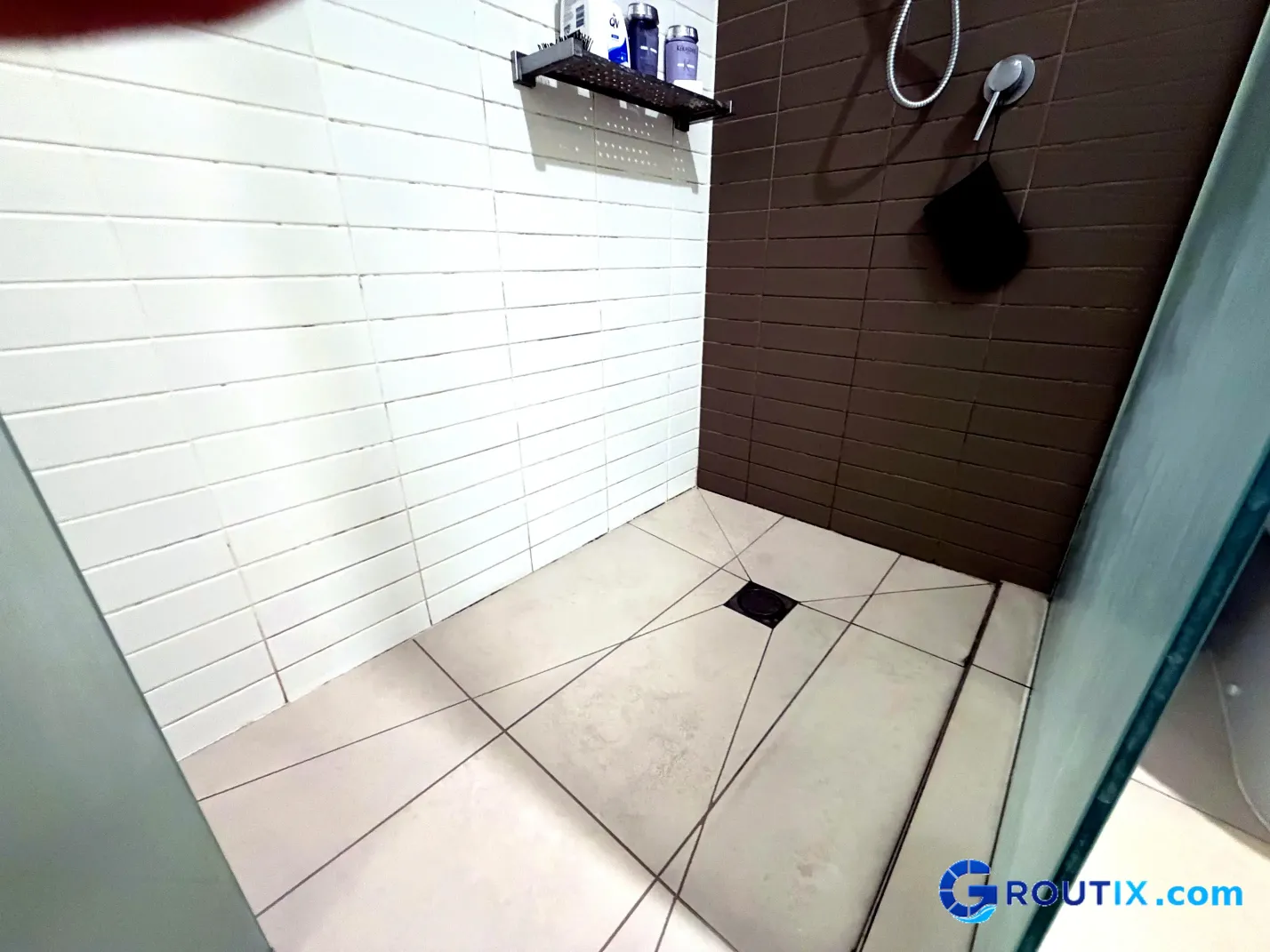
Shower Leaking Through the Ceiling? What To Do First and Who Pays
A brown stain spreading across the ceiling, paint starting to bubble, or worst of all water dripping through a light fitting after someone showers upstairs. A shower leaking into the room below is worrying, but the order of what you do matters more than speed, and almost nobody explains the whole picture in one place: the first steps, the likely causes, and who is responsible in a house, a rental property and a unit. This guide does.
The short answer
Stop using the shower and keep water away from lights and power points. The stain shows where the water arrived, not where it entered, so find the source before anyone opens the ceiling or repaints it. In a Victorian rental, a serious shower leak counts as an urgent repair and the rental provider must act straight away. In a unit, tell the owners corporation manager early: the surfaces inside your bathroom are usually yours to maintain, while shared pipes and structure can be common property.
Water Coming Through the Ceiling Below? Do These Things First
Stop using that shower. Every shower adds water to the ceiling cavity. Use another bathroom, or keep use to an absolute minimum, until the source is found.
Treat water near power with respect. If water is coming through a light fitting, a power point or a ceiling fan, do not touch the switches. Turn that circuit off at the switchboard if you can do it safely, and call an electrician before the fitting is used again.
Catch and protect. A bucket under the drip, towels at the edges of the stain, and furniture and rugs moved out from under the area. If the ceiling is bulging with pooled water, keep everyone out from under it and do not puncture it yourself. Waterlogged plaster is heavy, and a professional can release pooled water safely.
Record everything. Photos and short videos of the stain, the drip and the shower above, with dates. This record matters for landlords, owners corporations and insurers alike, and it helps whoever diagnoses the leak.
Why Water Is Leaking Through the Ceiling From Your Shower
Under a bathroom floor, water travels along joists, pipes and the ceiling lining, and it can appear a room away from where it entered. That is why the stain marks the destination, not the source, and why opening or repainting the ceiling before the source is fixed just hides the evidence and guarantees the stain returns.
The source is almost always one of five things: failed grout, failed silicone in the movement joints, a leaking waste outlet or drain connection, a failed waterproofing membrane under the tiles, or a pipe and fitting leak inside the wall or floor. Each has a different repair and a different trade.
Timing narrows it down fast. A leak that only appears while the shower drains points to the waste and the surface seals. A leak that keeps growing while the shower sits unused points to a pressurised pipe. Our guide to a shower still leaking after regrouting sets out the full test sequence, from the rest test and the drain run test to the base flood test.
Water coming through your ceiling right now?
Send us photos of the shower and the ceiling below it. We will tell you honestly what the likely source is and which trade you need first.
Where the Water Gets In
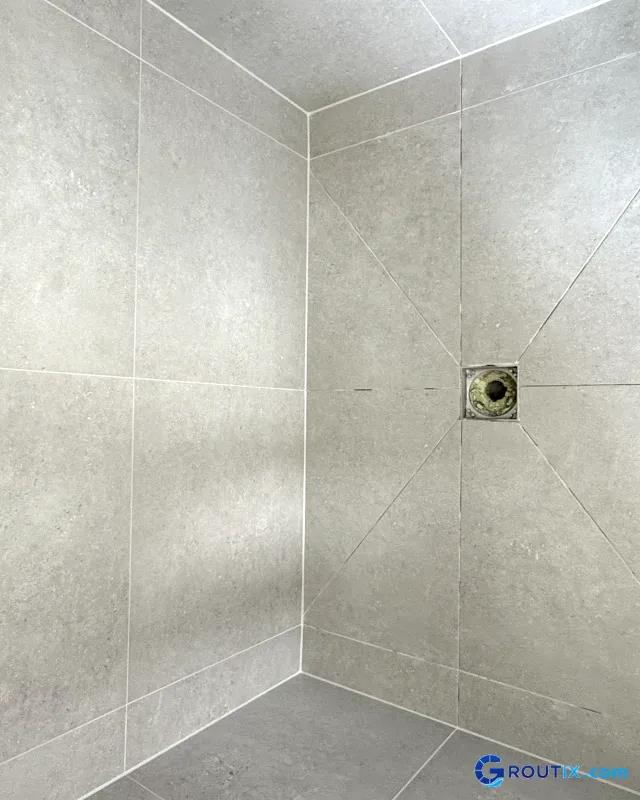
Bathroom Leaking Through the Ceiling: Who Is Responsible
Your own home
The repair is yours to arrange and pay for, and the order matters. Fix the source first, let the ceiling cavity dry properly, then repair the plaster and paint last. Painting over a damp ceiling seals moisture in, and the mould follows.
Renting in Victoria
A fault that wastes a lot of water, causes damp or makes the property unsafe counts as an urgent repair in Victoria, and a shower leaking through the ceiling fits that description. Tell the rental provider or the agent straight away, and put it in writing the same day so the timeline is on record. The provider must arrange urgent repairs immediately. If they do not act promptly after you have told them, you may arrange the repair yourself for up to $2,500 and ask in writing to be repaid, and the provider must reimburse you within 7 days of receiving your written request. Above $2,500, or if anything is disputed, contact Consumer Affairs Victoria or Rental Dispute Resolution Victoria rather than guessing. No other Melbourne guide we have seen sets these figures out, and they are the ones that matter at midnight with water coming through the light fitting.
An apartment or unit with an owners corporation
Responsibility follows the source, and the plan of subdivision has the final say for your building. The surfaces inside your bathroom, tiles, grout, silicone and in most buildings the internal shower membrane, are the lot owner to maintain. Balcony membranes more often fall to the owners corporation because they protect the shared slab. Shared pipes and structure are common property. The ceiling of the lot below is often a boundary structure, so one leak can legitimately involve two owners and the corporation. Tell the owners corporation manager as soon as you know, in writing, and do not open floors or ceilings in common property areas without their go ahead. If the unit below is damaged, early notice protects you as much as them.
General information only
This section is general information about how responsibilities usually work in Victoria, not legal advice about your property. Rental questions are covered in detail by Consumer Affairs Victoria, and owners corporation questions by your manager and the plan of subdivision for your building.
Does Home Insurance Cover a Leaking Shower and the Ceiling Damage?
Usually not in the way people hope, and it is better to know now. Australian home policies treat a sudden event, like a burst pipe, very differently from a slow leak. Most policies specifically exclude damage caused by water leaking from a shower recess or base, and they exclude gradual damage that built up over time, as well as the cost of repairing the item that leaked. A shower that has been seeping through failed grout for months is the classic excluded case.
What can be covered is sudden resulting damage from an insured event, and every policy words it differently. Notify your insurer early anyway, keep the photos, the diagnosis and the invoices together, and ask what they need before work starts. In a unit, also tell the owners corporation manager, because the building policy may respond to common property damage even when your own policy does not respond to the leak.
The Repair Path, in Order
Diagnose. Simple water tests and an inspection identify which of the five sources you have, before money is spent on the wrong repair.
Fix the cause. Grout and silicone, waste, membrane or plumbing, each by the right trade, with a written quote you approve first.
Dry out. The ceiling cavity and the floor need to dry fully. This takes days to weeks depending how long the leak ran, and how long the ceiling takes to dry is the thing that sets your real timeline.
Make good. Only now the plaster and paint, so the finished ceiling stays finished.
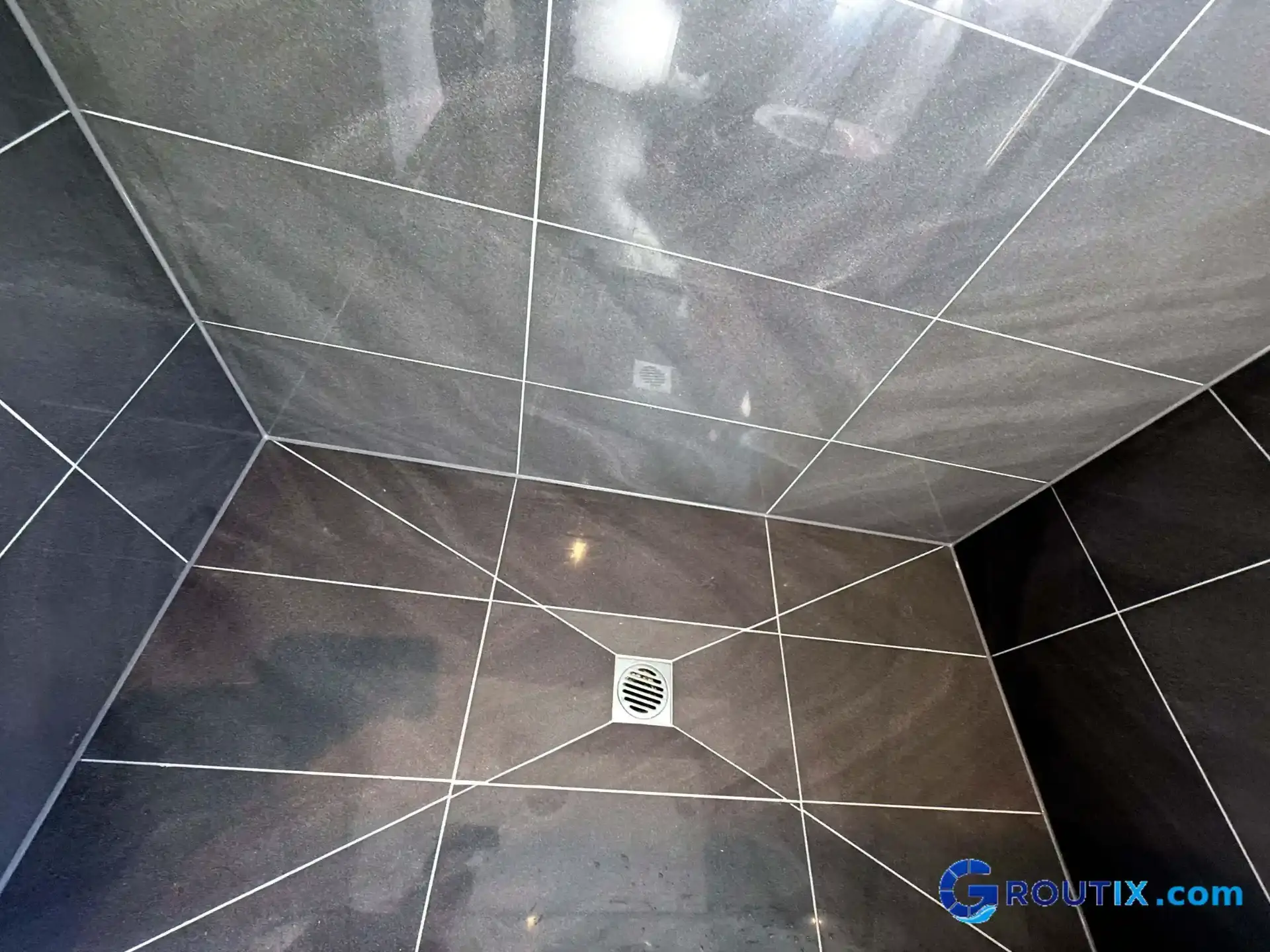
Groutix handles the diagnosis, grout and silicone side of this path every week across Melbourne, and we will tell you plainly when the cause is plumbing or membrane and a different trade or a bigger job is the honest answer. Start with our leaking shower repair service, or send photos of the shower and the ceiling below it and we will tell you what we think the source is.
Questions People Ask
Best not to. Every use pushes more water into the ceiling cavity, the plaster weakens and the repair grows. If it is your only shower, keep use as short as possible, keep an eye on the ceiling, and get the diagnosis booked quickly. If the ceiling is bulging or water is near a light fitting, stop altogether until it is looked at.
Because water escaping the shower upstairs travels through the floor and along the ceiling lining until it finds a weak point, often some distance from the shower itself. The usual sources are failed grout, failed silicone, a leaking waste connection, a failed waterproofing membrane or a pipe leaking inside the wall. Timing helps: leaks that only appear while the shower drains point to the waste and surface seals, while damp that grows with the shower unused points to plumbing.
For a slow shower leak, usually not. Most Australian policies exclude water leaking from a shower recess or base and exclude gradual damage, as well as the repair of the item that leaked. Sudden events like a burst pipe are treated differently. Check your policy wording, notify the insurer early, and keep photos and invoices either way.
It follows the source. The bathroom surfaces inside your lot, including in most buildings the internal shower membrane, are generally yours to maintain. Shared pipes, structure and usually balcony membranes belong to the owners corporation. The plan of subdivision decides the boundaries in your building, so notify the manager in writing and get the source diagnosed before anyone accepts or disputes the bill.
In Victoria, yes. A leak that wastes a lot of water or makes the property unsafe is an urgent repair, and the rental provider must arrange it immediately once notified. Tell them in writing the same day. If they do not act promptly, you can arrange the repair yourself for up to $2,500 and request reimbursement in writing, which must be paid within 7 days. For larger or disputed repairs, contact Rental Dispute Resolution Victoria.
It depends how long the leak ran and how much water the ceiling and floor absorbed. A short leak can dry in days. A long running one can take weeks, especially inside a closed ceiling cavity. Plaster should not be closed up or painted until the timber and lining are properly dry, because sealing damp in is how mould starts. Drying time is the part of the job that sets your real timeline.
Not sure which cause you are dealing with?
Send us photos of the shower and the damage. We will tell you honestly what the likely cause is and what the right repair looks like, before you spend anything.
Read next
Shower Still Leaking After Regrouting? Causes, Tests and What To Do NextThe regrout looked perfect and the leak came back. Causes, the test sequence that finds the real one, and what to do next.Read this guide